
Custom Carpentry from China: 9 Essential Checks for Singapore Homeowners
Embarking on a renovation journey in Singapore, whether it is for a BTO flat, a resale HDB unit, or a private condo, often involves big decisions regarding furniture and cabinetry. Many homeowners are tempted by the allure of ordering custom carpentry directly from China to save on costs. While the prospect of factory-direct pricing is appealing, the process is fraught with risks that can quickly turn your dream renovation into a logistical nightmare.
The Appeal and Reality of Overseas Custom Carpentry
Ordering custom-made carpentry from China often promises lower price tags, but when you factor in shipping, GST, customs clearance, and the potential for measurement errors, the savings may vanish. At Speedy Decor, we believe in transparency and quality control. Without a local expert to oversee the production, you might find yourself with cabinets that don’t fit your space or materials that don’t meet local fire safety regulations.
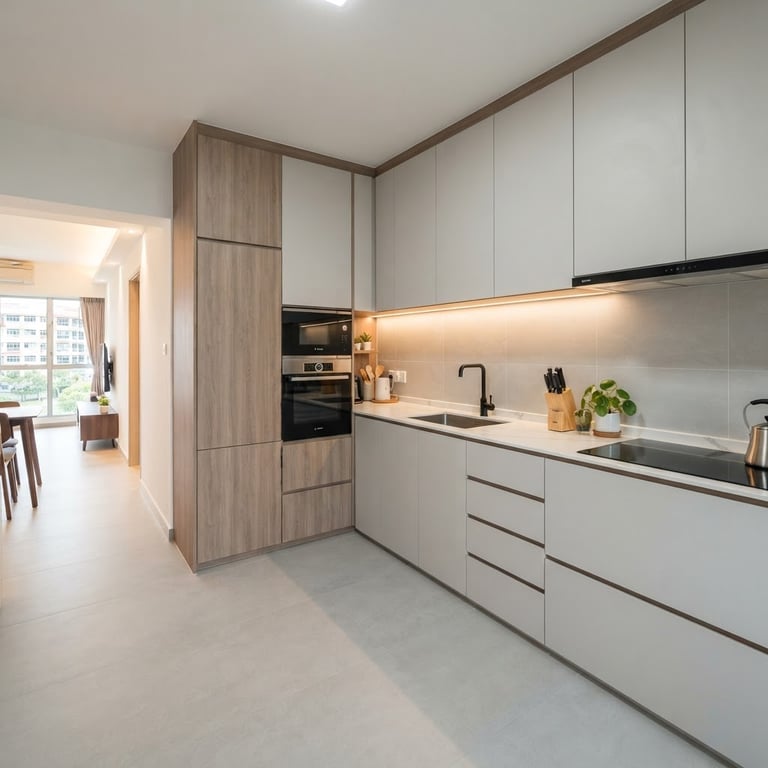
1. Precise Measurement and Technical Drawings
Never rely on rough estimates. You need professional-grade, detailed technical drawings that specify every millimeter. In Singapore’s compact homes, a 5mm error can mean the difference between a seamless fit and a gap-ridden installation.
2. Material Quality and Sustainability
Verify the types of wood and finishes. Are they E1 or E0 certified for low formaldehyde emissions? Singapore homeowners must ensure materials comply with safety standards to maintain good indoor air quality.
3. The Hidden Costs of Logistics
When calculating your budget, remember to include sea freight, insurance, port handling charges, and the 9% GST. Sometimes, professional renovation services in Singapore actually end up more cost-effective due to economies of scale and eliminated shipping headaches.
4. Hardware Durability
China-made carpentry often uses generic hinges and runners. Specify high-quality, name-brand hardware (like BLUM) to ensure your drawers and doors function smoothly for years.
5. Communication Gaps and Lead Times
Language barriers can lead to significant misinterpretations of design intent. Additionally, manufacturing delays and international shipping bottlenecks can extend your project timeline by weeks or even months.
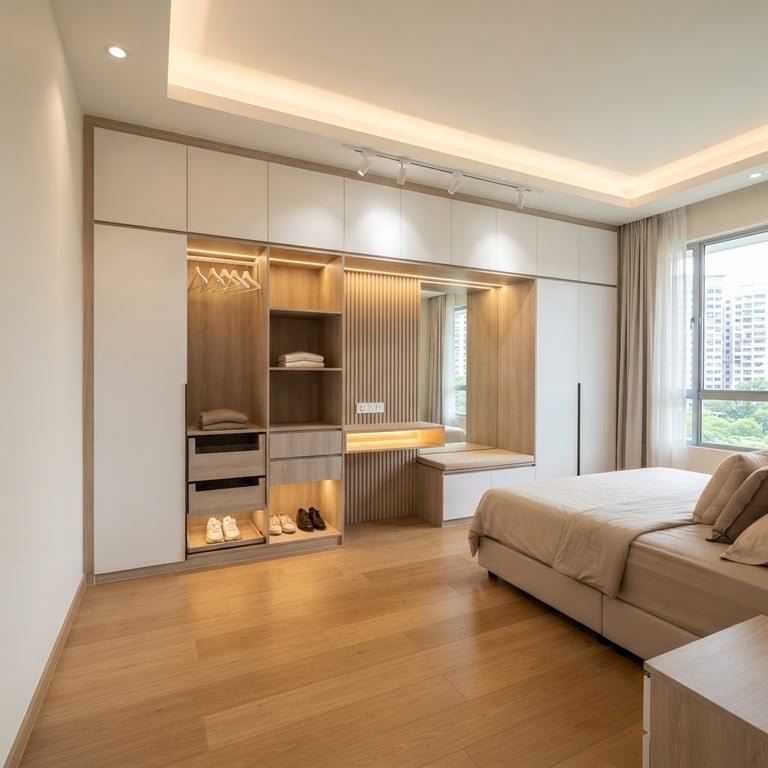
6. Assembly and Installation Expertise
Who will install the furniture once it arrives? If you are not DIY-savvy, hiring a local carpenter to fix poorly made overseas pieces can be frustrating and costly. Many local professionals may refuse to rectify mistakes from external suppliers.
7. Warranty and After-Sales Support
What happens if a shelf breaks or a finish peels off after six months? With overseas vendors, support is virtually non-existent. Compare this to the peace of mind offered by a local firm featured in our renovation portfolio.
8. Regulatory Compliance and Safety
Ensure that all fixtures adhere to HDB’s strict renovation guidelines, especially concerning electrical work or heavy modifications to structural walls.
9. Total Project Management
Consider the cumulative stress of managing international vendors versus hiring a trusted local team to handle the end-to-end process. Often, the hidden cost of project management is higher than the savings you make on the carpentry itself.
Ultimately, the key to a stress-free renovation in Singapore is selecting a partner you can trust. If you prefer to avoid the risks associated with overseas shipping, get a free quote from us to see how we provide premium quality carpentry with local accountability.
Ready to Transform Your Home?
Get a fast, no-obligation renovation quote from Speedy Decor, Singapore’s trusted renovation experts.
