
HDB BTO Key Collection 2026: Your First 30 Days, the Defects Check, and When Renovation Can Actually Start
Collected your BTO keys? The defects check, the 1-year DLP, permit validity, renovation and noisy-works hours, the 3-year bathroom tile rule — and a realistic 12-week timeline for your first 30 days and beyond.
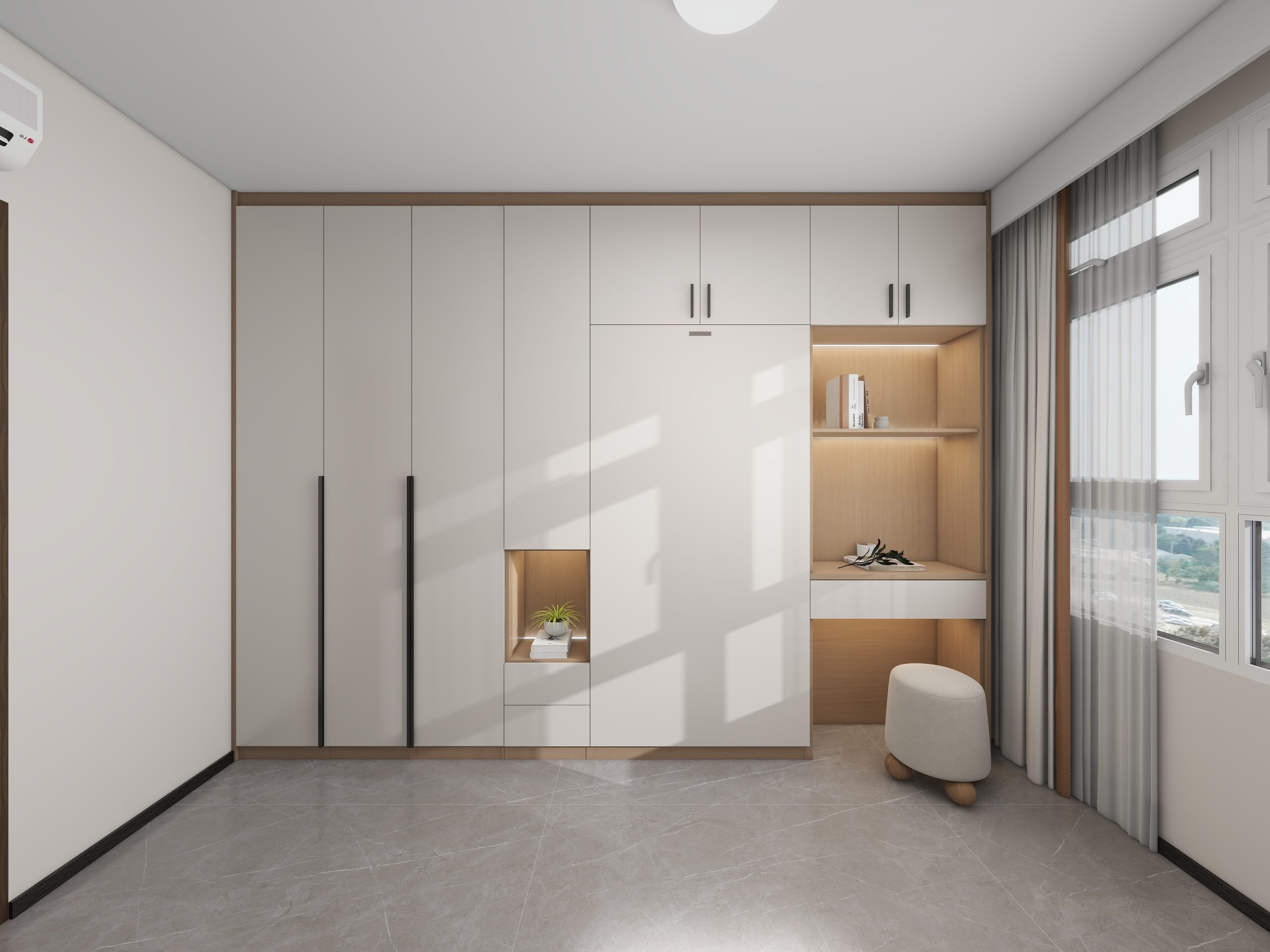
Key collection feels like the finish line. It’s actually the starting gun — and the first 30 days quietly decide whether your renovation runs to plan or drifts by two months. Defects have a reporting window. Permits have a validity. Noisy works have legal hours. Miss the sequence and you end up paying a contractor to wait. Here’s the order things should happen in, and why.
Day 0: what happens at the appointment
At your key collection appointment you sign the lease documents, settle the outstanding items, and walk out with the keys and the flat’s paperwork. Two things matter for what comes next: the date of that appointment starts your Defects Liability Period, and the on-site Building Service Centre (BSC) is who you’ll deal with for anything the builder needs to fix.
Before you leave the flat that day, take wide photos of every room, the ceiling, both toilets and the service yard. Timestamped “as handed over” photos settle arguments later — with HDB, and with your own contractor.
Days 1–30: the defects check comes first
Your new flat is covered by a 1-year Defects Liability Period (DLP) from the date of key collection, during which HDB’s project contractor rectifies builder defects at no cost to you. But the practical deadline is far tighter than a year: report your defects within the first month, and before any renovation work starts. Once your carpentry, wiring and tiling are in, telling a builder’s defect apart from renovation damage becomes a judgement call — and you’re the one arguing it.
Reported defects are generally rectified within about 14 days; if a material has to be ordered, the BSC should give you an expected date.
What to actually check
- Walls and ceilings: hollow patches (tap them), hairline cracks, uneven skim coat, paint misses.
- Floor tiles: tap every tile — a hollow ring means poor adhesion and it will lift later. Check for chips, lippage and stained grout.
- Doors and windows: do they close and lock without lifting? Any rubbing on the frame, gaps at the seals, scratched panels?
- Toilets: run every tap, flush, then check the floor trap drains without pooling. Look for silicone gaps at the WC base and the shower screen.
- Electrical: test every socket and switch, trip and reset the DB box, confirm the household shelter’s ventilation and light work.
- Kitchen and service yard: check the water points, the waste pipe, and that the walls show no dampness.
Bring a torch, a marble (for floor level), a phone charger for socket testing, painter’s tape to mark spots, and a notebook. Two people and two hours is a realistic first pass.
The rules that shape your timeline
Three HDB rules decide when work can start and how fast it can go. Plan around them instead of discovering them:
- Permit: renovation that needs approval must be carried out under an HDB renovation permit, applied for by an HDB-registered renovation contractor — not by you. The permit carries a validity window (commonly 3 months to complete the approved works), so don’t have it issued before you’re ready to start.
- Working hours: general renovation is allowed Monday to Saturday, 9am–6pm. No renovation on Sundays or public holidays.
- Noisy works: hacking, drilling and demolition are restricted further — weekdays only, 9am–5pm, not on Saturdays, Sundays or public holidays. This is the rule that stretches schedules, because the noisiest phase gets the fewest hours.
One more that applies only to new flats: for the first 3 years, you cannot hack or replace the floor and wall tiles in bathrooms and toilets. The waterproofing membrane underneath is under warranty, and breaking it is how seepage into the unit below starts. You can still change the fittings, the vanity, the mirror and the shower screen — which is where the visual difference lives anyway.
Rules are updated from time to time; confirm the current version at hdb.gov.sg or with your registered contractor before you commit dates.
A realistic 12-week timeline
- Week 0: collect keys, photograph everything, book your defects inspection.
- Weeks 1–2: submit the defects list to the BSC. In parallel, finalise your design and lock the quote — this is dead time otherwise, and the best possible use of it.
- Weeks 2–4: rectification happens. Your contractor applies for the permit; you confirm the 3D drawing and the appliance models.
- Weeks 4–6: site measurement after rectification, then fabrication begins. Electrical and plumbing first fix on site.
- Weeks 6–10: carpentry delivery and installation — kitchen, wardrobes, bathroom cabinets, then the add-ons.
- Weeks 10–12: worktop template and installation, appliance hookup, touch-ups, final clean, handover walkthrough with a snag list.
Budget checkpoints in the same 30 days
Get these four things onto one page before you sign anything:
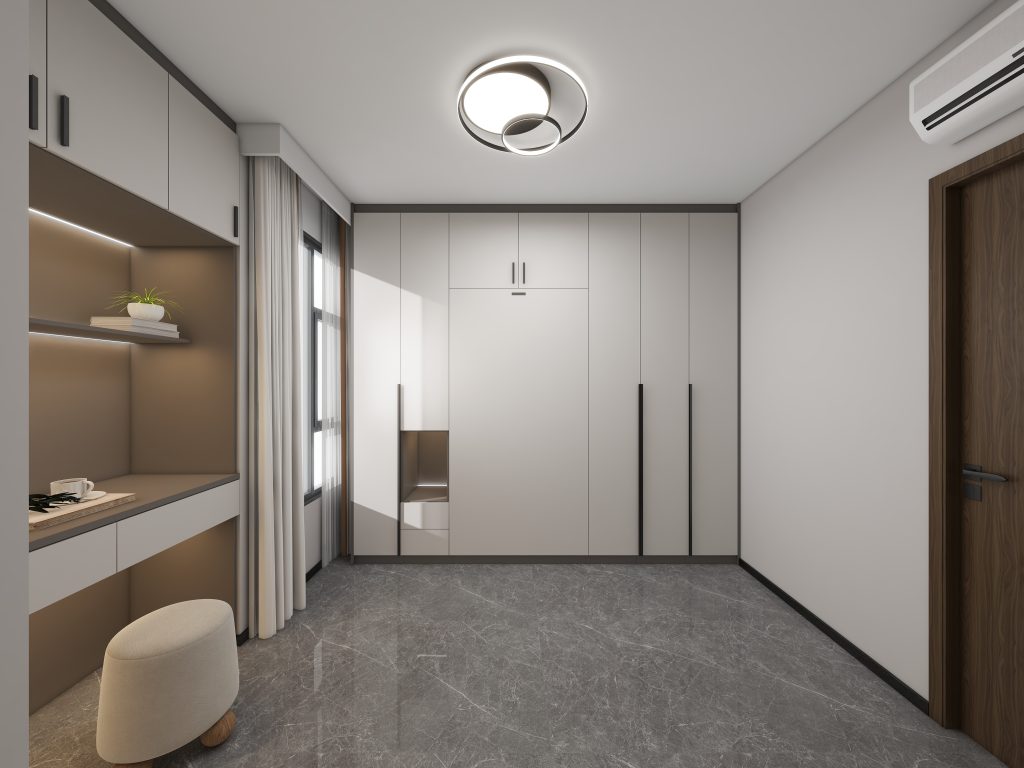
- Carpentry by the foot-run. Ask for unit rates, not a lump sum — kitchen cabinets commonly run around S$120–150/ft and wardrobes around S$300–320/ft in this market. Rates let you compare quotes like with like.
- What’s excluded. Hauling, disposal, protection sheets, re-measurement, delivery to a high floor — the classic add-ons. Get them in writing.
- Payment milestones. Money should follow work: deposit, before purchase, before delivery, on handover. Be wary of anything front-loaded.
- Appliance timing. Hob, hood, oven and sink models must be fixed before the cabinets are cut. Choosing them late is the most common cause of a re-cut.
If your whole block is collecting keys at once
Handover runs in waves, so your neighbours are doing all of this in the same eight weeks, in the same layouts. That’s leverage. Batched carpentry orders are cheaper to cut and cheaper to install, and a group buy passes that back as a straightforward discount — 10% at five homes, up to 15% at twenty — on top of factory-direct pricing. Same drawings, same quality, one shared installation window on the estate.
Frequently asked questions
Can I start renovation before the defects are fixed? You can, but you shouldn’t. Reporting first — within the first month — keeps the line clear between builder defects and renovation damage, and that is the order HDB asks for.
How long is the Defects Liability Period? One year from the date of key collection, for a newly completed flat.
Do I apply for the renovation permit myself? No — your HDB-registered renovation contractor applies on your behalf. Check that registration before you pay a deposit.
Can I re-tile my bathroom? Not in the first 3 years for a new flat; the waterproofing warranty comes first. Change the fittings and the vanity instead.
When should I start designing? About 2–3 months before key collection. Design and quoting cost you nothing on site, and starting early means fabrication can begin the moment rectification is done.
Start your flat while you wait for rectification
Pick your unit type, load your real layout, and build your fit-out online — free 3D/VR preview, itemised pricing, one team for carpentry, electrical and plumbing.
btogroupreno.sg/ · WhatsApp +65 8852 6257 · Call +65 6222 3668
