
What a Carpentry Warranty in Singapore Actually Covers — Including Ours
A renovation warranty is a list of exclusions with a number on the front. The periods you will be quoted, why a Defects Liability Period is the more useful instrument, the moisture exclusion nearly everyone writes in, and our own terms stated plainly.
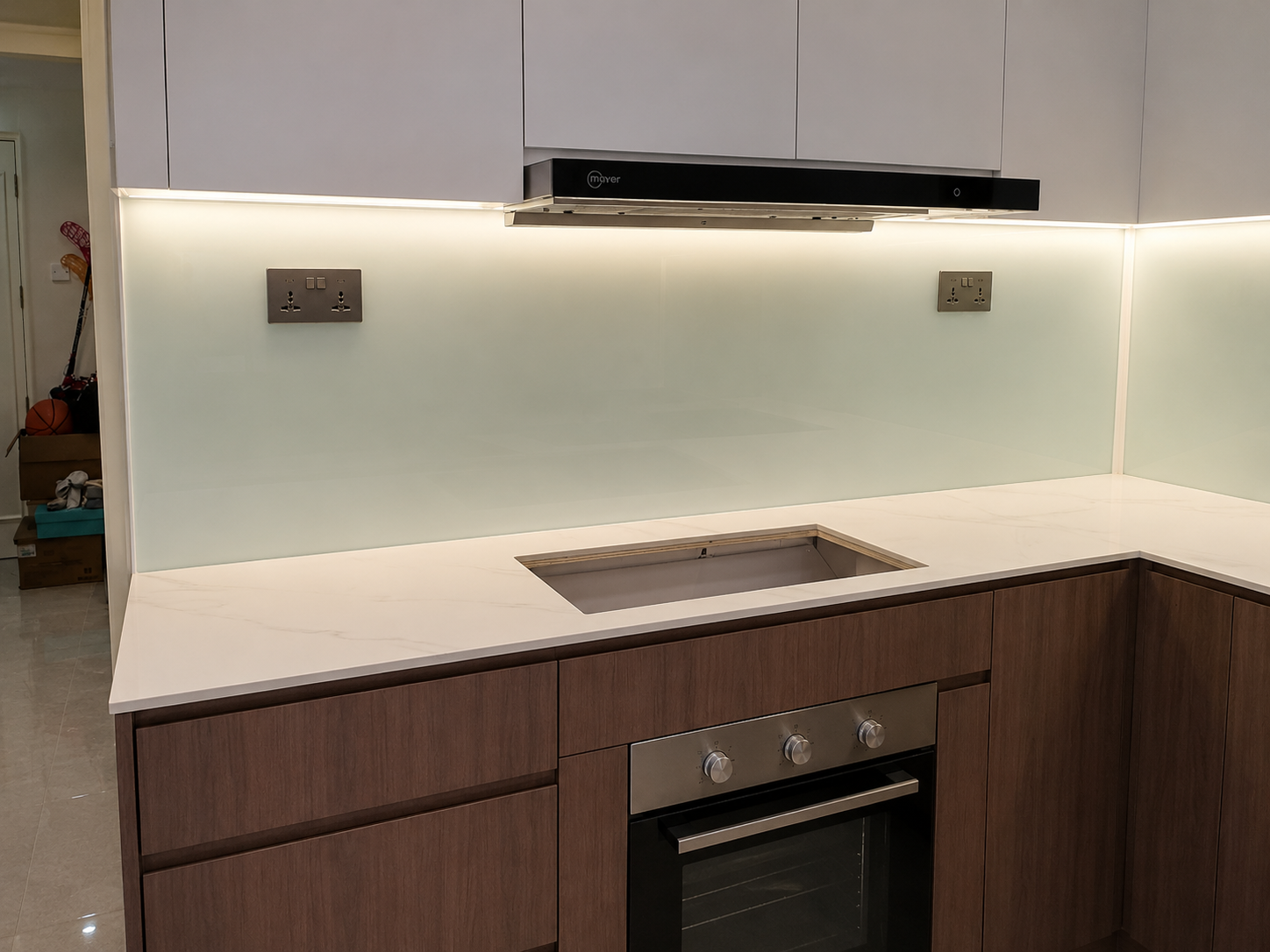
A renovation warranty is a list of exclusions with a number printed on the front. The number is what gets quoted at you in a showroom; the list is what decides whether anything is ever paid out. It is worth reading in the other order: start with the list, then look at the number.
Here is what carpentry warranty periods in Singapore actually are, what a Defects Liability Period is and is not, the one exclusion that removes the most common failure from cover, and our own terms written out plainly so you can hold this page against them.
Carpentry warranty periods in Singapore, and what they cover
These are the bands that come up on Singapore renovation quotations. They vary by firm, and any of them can be better or worse than what you are shown — read the document you are given rather than this table.
Blum and other branded hardwareThe hardware maker’s own warranty, passed through by the contractor. The longest cover on most quotations, and the one that comes from someone other than the contractor.
Up to 5 years
Hinges, runners and standard hardwareThe moving parts. Covers mechanism failure, not the door the mechanism is attached to.
12 months
Carpentry workmanshipJoint failure, warping, delamination traced to how it was made. Commonly 12 to 24 months when it is offered as a separate line at all.
12 to 24 months
Defects Liability PeriodNot a warranty. A window after handover in which you report defects and the contractor rectifies them.
Usually 12 months
A longer number is not automatically better coverA five-year warranty with moisture, wear, misuse and hardware excluded can be worth less than a twelve-month one that names what it will actually replace. Compare the exclusion lists, not the years.
A Defects Liability Period is not a warranty
They get used interchangeably, but they are different instruments. The DLP is a rectification window: during it you report what is wrong and the contractor comes back to fix it, and the burden is mostly on you to spot things and raise them in time. A warranty is a promise about a component for a stated period, usually with a much narrower list of what counts.
The practical consequence is that the DLP is the more useful of the two, and it is the one that expires first. Use it. Walk the flat properly at handover and again at month ten, before the window closes. Our post-installation carpentry audit checklist is built for exactly those two walks.
The exclusion that matters most
Moisture damage is excluded, or effectively excluded, from most carpentry warranties in Singapore. Ours included. That is worth sitting with, because moisture is also the most common way carpentry actually fails here.
6 items
Commonly excluded
- Water and moisture damage of any kind
- Normal wear, scratches, chips and cut marks on laminate
- Silicone shrinking, cracking or drying out
- Damage from improper use, accidents or lack of care
- Slight panel movement within manufacturing tolerance
- Anything altered or repaired by someone else
4 items
Usually covered
- Hardware that fails on its own within the period
- Manufacturing defects present from day one
- Joints that open where nothing pulled them apart
- Delamination with no traceable outside cause
Why every firm writes it this wayTwo years after handover nobody can prove whether a swollen base came from the build or from a flexible hose that had been weeping for a year. The exclusion exists because the evidence does not.
The conclusion most people draw from this is that warranties are worthless. That is the wrong conclusion. The right one is that the warranty is not where your protection against the most likely failure lives. It lives in the build, and you buy it at quotation stage or not at all.
Our terms, stated plainly
So that this article is not one more page telling you to read someone else’s fine print, here is ours. The controlling version is the Warranty & Care Guidelines page, which is also where any change will show up first — check it against this summary before you rely on it.
12 monthsHinges, runners and standard hardware
Mechanism failure within the period is replaced. This is the general hardware cover.
5 yearsBlum hardware
Where Blum is specified, the longer manufacturer cover applies to those parts.
Not coveredMoisture, wear and re-silicone
Re-silicone work is chargeable. Laminate scratches, chopping cuts and edge chipping are not defects.
What we put in place of a moisture warrantyFour build details in every sink cabinet: a ship-grade marine plywood base, a factory CNC-cut support frame, an aluminium foil wrapped base and a 5 degree forward drainage slope. Standard, not an upgrade.
We would rather argue about the build than about the paperwork. The reasoning behind those four details, and what happens without them, is in why kitchen cabinets fail under the sink first, and the cut-away drawing is item 03 on the Craftsmanship tab.
Seven questions worth asking before you sign
None of these are unreasonable, and a contractor who builds well will have quick answers to all seven. Ask them in writing, by message or email, so the answers exist somewhere afterwards.
4 questions
Ask about the document
- Can I see the written warranty before I pay the deposit, not after?
- What is the full exclusion list, in writing?
- Is the Defects Liability Period separate from the warranty, and how long is it?
- Who do I contact for a claim, and what is the response time?
3 questions
Ask about the build
- What board goes into the sink and vanity bases specifically, by grade?
- How is the basin supported — a frame, or screws through the panel?
- Are the cut edges at the plumbing cutouts sealed, and with what?
The build questions are the ones that predict the outcomeThe paperwork tells you what happens after something fails. The three build questions tell you how likely it is to fail. There is a longer version in our wet-zone quotation guide.
Frequently asked questions
Is a 10-year carpentry warranty in Singapore real?
Long periods are usually attached to a specific component — a branded carcass or hardware line — and come with registration conditions and the same moisture exclusion. Read what the ten years attach to. It is rarely the whole cabinet.
Does the warranty transfer if I sell the flat?
Generally no. Carpentry warranties in Singapore are typically issued to the contracting owner and are not transferable. If that matters to you, ask before signing rather than after.
What if the contractor closes down?
The workmanship warranty goes with them. Manufacturer warranties on branded hardware do not, which is one practical reason to know which parts of your cover come from outside the contractor.
My cabinet swelled in month eight. Do I have no recourse?
Raise it inside the Defects Liability Period, in writing, with photographs and the date. A defect that appears that early is worth discussing on its merits even where moisture is excluded, and the DLP is the right instrument for it. Do not wait for month thirteen.
The short version
Read the exclusion list, not the number of years. Use the Defects Liability Period, because it is the cover that actually works and the one that expires first. And accept that the most likely failure in a Singapore kitchen — moisture — is the one the paperwork will not cover anywhere, which means it has to be handled in the build. What to write into the quote to handle it is here.
