Kim Keat Crest BTO: From Key Collection to Renovation Start — HDB’s Rules Checklist
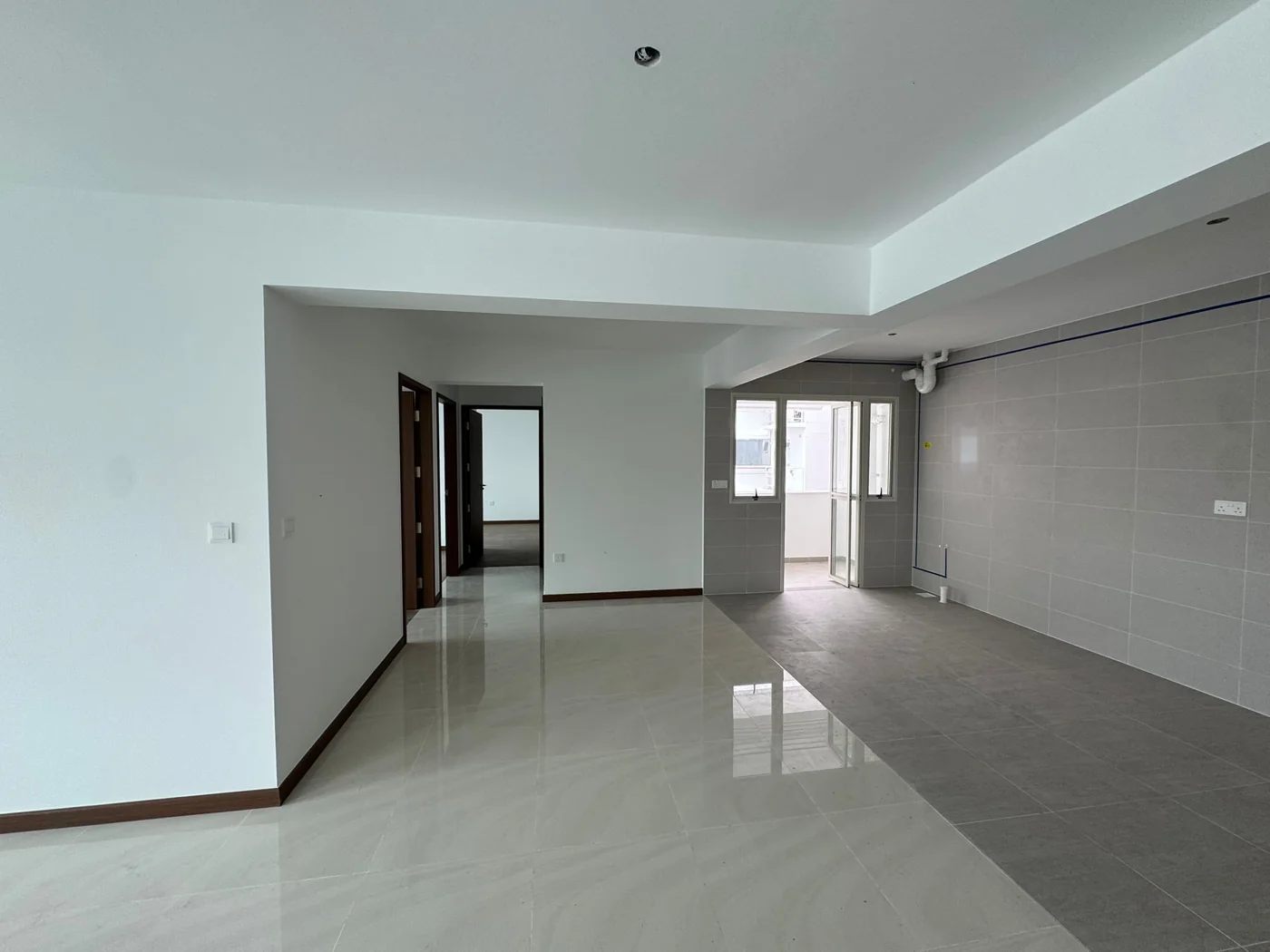
You have collected the keys to your Kim Keat Crest flat, and the urge to start renovating right away is strong. Before any contractor picks up a drill, there are a few HDB steps that decide whether your renovation runs smoothly or gets stopped. This checklist follows the usual order of steps.
Kim Keat Crest is a BTO project in Toa Payoh offering 2-room Flexi, 3-room and 4-room flats. The rules below are the HDB rules for new flats, so they generally apply whichever layout you have. For design ideas by flat type, see our Kim Keat Crest BTO renovation guide.
This is a summary of the published HDB rules as of 13 October 2026, not a replacement for them. BTO Group Reno is not affiliated with HDB.
6 steps before your renovation starts
Summary of the published HDB rules for new flats, as read on 13 October 2026
- 1Report defects earlyHDB asks for it within 1 month of key collection and before renovation begins.
- 2Use a DRC contractorHDB requires a contractor from its Directory of Renovation Contractors for all renovation.
- 3Get written approval for wall demolitionPrior written approval from HDB is required. Some structural elements cannot be removed at all.
- 4Check the disallowed works before you designExamples: ceiling plastering, raising the floor with concrete by more than 50mm (incl. finishes), floor load above 150kg per sq m.
- 5Notify your neighboursWritten notice to neighbours within 2 units at least 5 days before work starts.
- 6Finish within the time limitNewly completed blocks: approved works to be completed within 3 months from the permit date.
General information only. Confirm current rules with HDB before starting works.
Step 1: Report defects early — HDB asks for one month from key collection
Newly completed HDB flats come with a one-year Defects Liability Period (DLP) that starts on the day you collect your keys. HDB asks you to report any items that need rectification within one month of key collection and before your renovation works begin. A practical reason: once renovation has started, it becomes harder to tell whether a defect came from the original construction or from the renovation.
- You can submit a rectification request by scanning the QR code in your Welcome Kit or on the notice pasted on your kitchen wall.
- HDB then arranges a joint inspection, assigns a contractor and, after the repair, holds a closing inspection with you.
- According to HDB, repairs usually take less than two weeks. If your renovation cannot wait, HDB can rectify defects during the renovation, as long as it does not hinder the work.
- HDB does not recommend handing your flat keys to the rectification contractor. Bring a lock to secure the flat instead.
Walk through the flat with a torch and a phone camera, photograph anything that looks wrong, and file the request first.
Step 2: Engage a contractor from the Directory of Renovation Contractors
HDB requires you to use a contractor listed in the Directory of Renovation Contractors (DRC) for all renovation in your flat, including works that do not need a permit. HDB provides an e-service for looking up DRC contractors, so please check this for any contractor you are considering.
HDB also states that you, as the flat owner, are responsible for the renovation in your flat and must make sure your contractor carries out all works in line with the HDB guidelines. The HDB page lists offences for flat owners (for example, not engaging a DRC contractor) and separately for contractors, including those who breach the rules or carry out renovation without being listed. On conviction, these can lead to a fine of up to $5,000 and other penalties. Check the HDB page for what applies to your situation.
Some trades also need specifically licensed people:
- Water service and sanitary works: a PUB licensed plumber
- Gas service works: an EMA licensed gas service worker
- Electrical installation: an EMA licensed electrical worker
- Windows: a BCA approved window contractor listed with HDB
- Air-conditioner installation: a BCA trained installer
Step 3: Know which works need a permit, and wait for it
HDB says some works need its approval and others do not, but all of them must follow its guidelines. Two points to get right:
- HDB requires its prior written approval for the demolition or hacking of walls, whether partial or complete, and some structural elements cannot be removed at all. The approval process exists to protect the structure of the building and your neighbours’ safety. Do not instruct anyone to hack a wall before the approval is in hand.
- Start permit-required works only after the permit is granted. If works are done without the permit, or without following the guidelines, HDB can require you to stop, correct or remove them and reinstate the flat to its original condition.
Your contractor submits the electronic renovation application on your behalf, and you need to authorise this. For works such as wall demolition, the floor plan of the flat has to be submitted with the application. You can use the floor plan in your Sales Brochure from flat selection; otherwise HDB sells a copy for $5.
Step 4: Rules to check before you design
HDB publishes a list of disallowed works. Examples include the following; the list is not exhaustive, so read the full HDB page:
- Plastering of ceilings
- Raising the floor level with concrete by more than 50mm (including floor finishes)
- Loading the floor slab with more than 150kg for every square metre of floor area
- Removing or tampering with safety railings or grilles originally provided in the flat
- Repositioning or enlarging a chute opening
- Painting the external parts of the building, such as common corridor walls
Because these limits can affect carpentry and flooring choices, raise them with your designer before the design is final, not after fabrication has started.
Step 5: Notice to neighbours and site rules
- Tell your neighbours first. HDB asks you or your contractor to give written notice to neighbours within a radius of 2 units at least 5 days before renovation begins, and to put up the Notice of Renovation outside your flat early and keep it there throughout.
- Follow the permitted HDB timings. HDB sets the days and hours when renovation work is allowed. Check its renovation page for the current timings before you schedule any trade.
- Tools and materials. HDB also limits the number of power tools that may be used. See the HDB renovation page for the exact limits. It requires pre-packed screed and pre-packed plaster for floor and wall finishes.
- Finish on time. For newly completed blocks, HDB requires approved works to be completed within three months from the date the permit is granted. Check the HDB page for what to do if you need more time, and tell the HDB branch managing your flat when you are done.
Two clocks to keep in mind
Two different start dates, so they are drawn separately. Bar lengths are not one timeline.
Clock 1: starts on key collection
1-year Defects Liability Period (DLP)
Key collectionMonth 12
Month 1: HDB asks you to report defects, before renovation begins.
Clock 2: starts on the date your renovation permit is granted
3 months to complete approved works
Starts when the permit is granted, not at key collection. This is the HDB limit for newly completed blocks.
General information only. Confirm current rules with HDB before starting works.
Step 6: Keep the empty flat secure
The HDB crime-prevention advice for flats under renovation is simple: use good quality close-shackled locks rather than number locks, do not leave home appliances in the flat during renovation, and arrange appliance delivery after you have moved in and renovation is complete.
Common questions
Can I start renovating the day I collect my keys?
You can start planning immediately, but HDB asks that defects be reported first, and any permit-required works have to wait until the permit is granted.
Do I need a permit for carpentry?
It depends on what is involved. HDB requires its prior written approval for the demolition of walls, and some walls cannot be demolished at all. Other works, including built-in carpentry, may or may not need a permit depending on what is involved, and must follow the HDB guidelines either way. Check the HDB list, or ask your DRC contractor to point you to the relevant guideline.
What if I am unsure whether a permit is needed?
The HDB renovation pages set out which works need a permit. Check them yourself, and ask your contractor in writing if you are unsure.
Planning your layout before you hire
Our Kim Keat Crest renovation guide covers storage and carpentry planning for 2-room Flexi, 3-room and 4-room layouts. If you would like to know whether a group renovation has opened for your block, see how our BTO group renovation works and send us your estate and flat type.
Sources (HDB, as read on 13 October 2026)
- Rectification of Defects in New Flats
- Important Information on Renovations
- Application for a Renovation Permit
- Renovation Guidelines
This article is general information only and is not legal, professional or official HDB advice. BTO Group Reno is not affiliated with HDB. The HDB rules and guidelines change; this summary reflects the HDB pages as read on 13 October 2026, so always confirm the current requirements with HDB before starting any works.